

At Darlington County Humane Society, we believe supporting pets means supporting the people who love them. Our community programs help reduce pet homelessness, improve animal welfare, and provide resources that strengthen our community.
Helping Pets. Supporting Families. Strengthening Our Community.

Community Cat Program
Helping Community Cats Live Healthier Lives
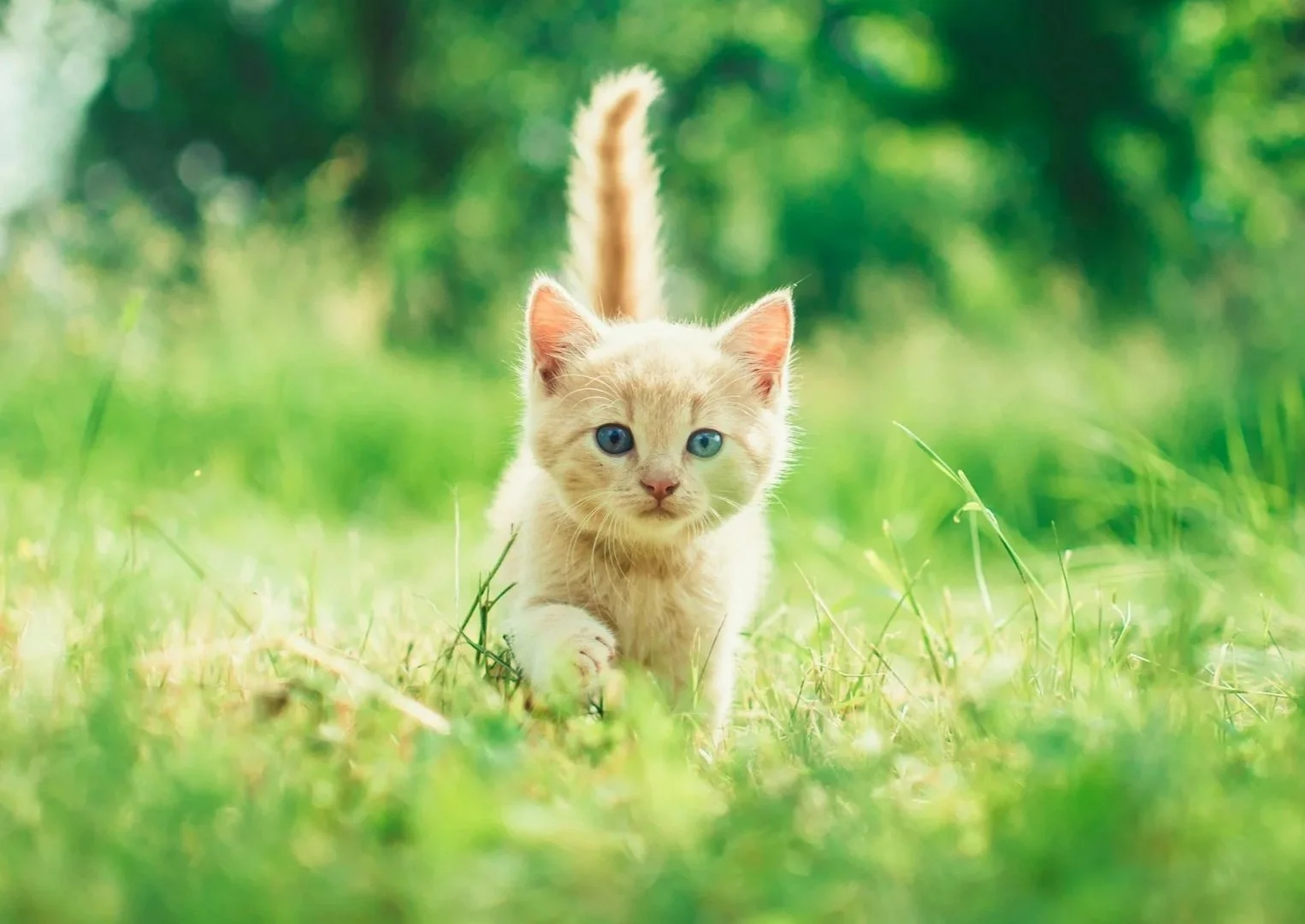
Our Community Cat Program uses a humane Trap-Vaccinate-Alter-Return (TVAR) approach to reduce the number of free-roaming cats while improving their health and preventing future litters.
Working alongside dedicated volunteers, caregivers, veterinarians, and community partners, we humanely trap, vaccinate, spay or neuter, and return healthy community cats to their outdoor homes.
-
A community cat, also known as a free-roaming cat, is any cat that lives outdoors or spends most of its time outside. Most community cats live in small groups called colonies, typically made up of three to five cats.
-
TVAR (Trap-Vaccinate-Alter-Return to Home)—sometimes referred to as TNR (Trap-Neuter-Return) or SNR (Stray-Neuter-Return)—is a humane and effective population-reduction strategy.
Community cats are:
Humanely trapped
Vaccinated and spayed or neutered
Returned to the outdoor location where they were originally found
Cats are not housed in the shelter, which reduces stress on the animals and frees shelter space. By sterilizing cats at a high volume before they can reproduce, TVAR gradually and sustainably reduces the community cat population.
-
Yes. The South Carolina Animal Care and Control Association (SCACCA) fully supports the National Animal Care and Control Association (NACA) position on community cats, which states:
“It is the position of NACA that indiscriminate pick up or admission of healthy, free-roaming cats, regardless of temperament, for any purpose other than TNR/SNR [TVAR], fails to serve commonly held goals of community animal management and protection programs and, as such, is a misuse of time and public funds and should be avoided.”
TVAR is encouraged by the American Veterinary Medical Association and is considered a best practice by the Association of Shelter Veterinarians, American Association of Feline Practitioners, Humane Society of the United States, ASPCA, and Best Friends Animal Society.
As of 2023, 29 of South Carolina’s 46 counties have implemented a TVAR program.
Community Outreach Program
Helping Families Keep the Pets They Love
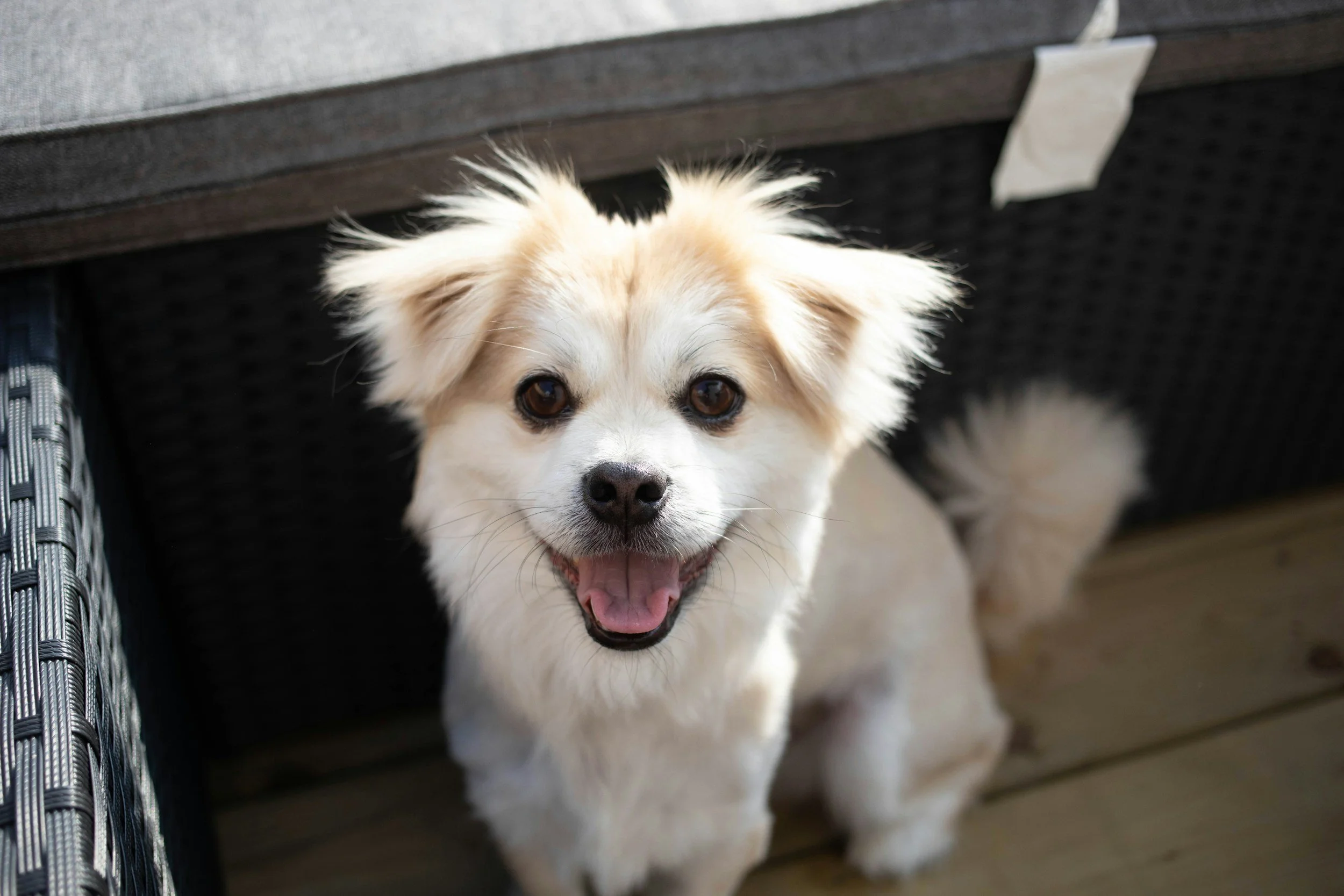
Sometimes families simply need a helping hand. Our Outreach Program works to remove financial barriers that prevent pet owners from accessing essential veterinary care and spay/neuter services.
By helping families care for their pets before a crisis occurs, we can keep more animals in loving homes and reduce unnecessary shelter admissions. Depending on available funding, assistance may include:
✓ Spay & neuter assistance
✓ Veterinary care assistance
✓ Vaccination support
✓ Emergency pet resources
✓ Referrals to community partners
Cans for Critters
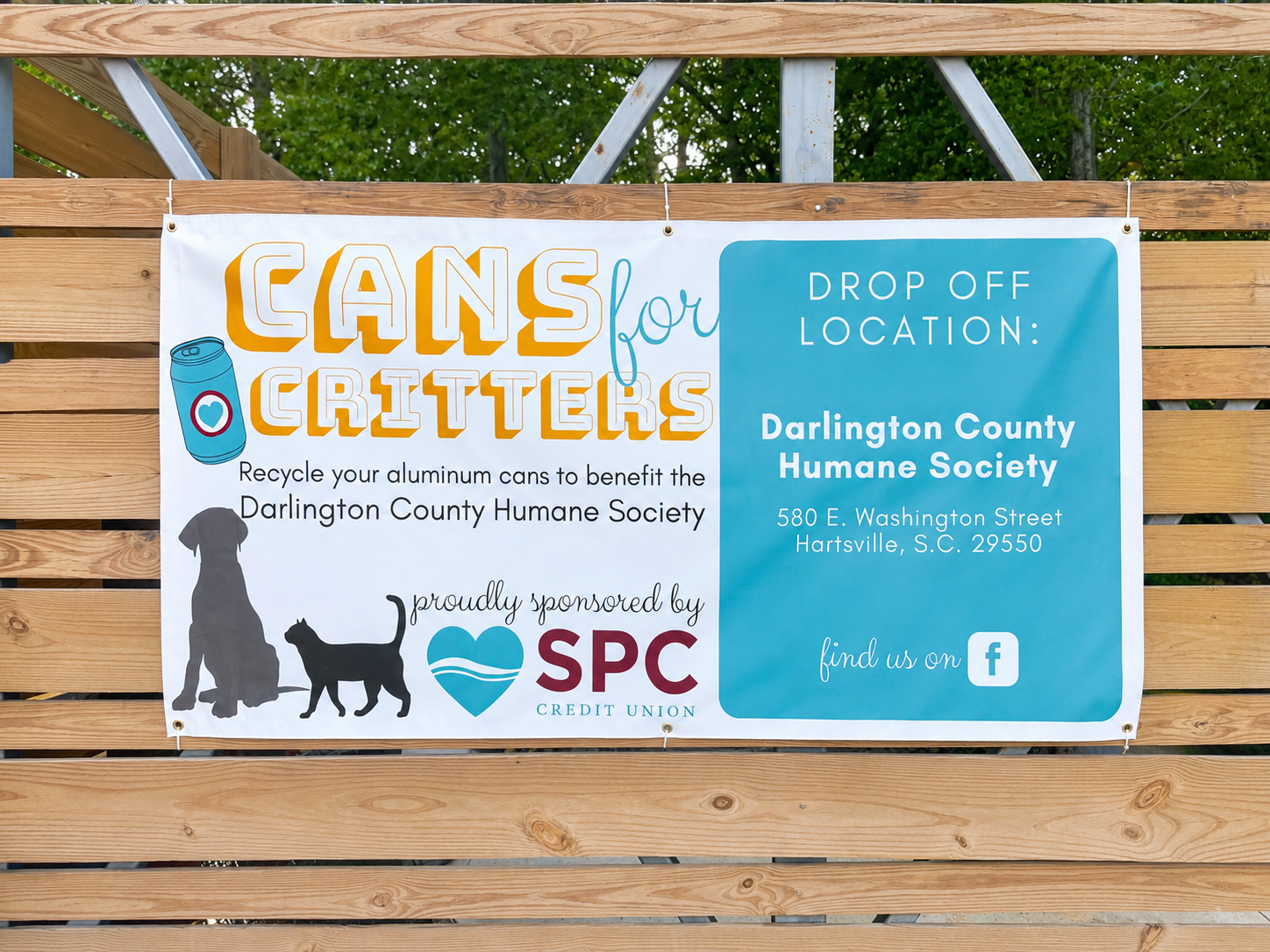
Recycle to Save Lives
Every aluminum can helps provide food, medical care, enrichment, and second chances for homeless animals at DCHS.
Collecting and recycling aluminum cans is a simple way for individuals, schools, businesses, churches, and community groups to support our lifesaving mission.
Together, those small donations add up to make a big difference.
-
We collect aluminum cans to help with medical needs, food, etc. for the shelter animals. We take the aluminum cans to A&C Recycling in Florence about every 6 weeks.
-
You drive to the back of the shelter where there is a wooden fenced in area with a Cans for Critters sign on it. You place your trash bag(s) in the chain link fenced in section with another sign on it.
-
We ask that everyone donating the aluminum cans put them in a trash bag and tie it securely. Some donors will crush the cans, which is great. This allows us to take more bags and maybe make less trips.
No steel cans, aluminum foil, or pie pans.
The recycling center requests that no one brings a large bag with small bags inside. It disrupts the process and they could deduct the amount we receive.
More Ways We Support Our Community
Our commitment to Darlington County extends beyond these programs. We continue to expand services that strengthen the human-animal bond and improve access to lifesaving resources through:
As our organization grows, so do the ways we're able to serve pets and people throughout our community.